


Local Etiquette & Dominican Culture Tips for Villa Guests in Bavaro, Punta Cana
Understanding Dominican Hospitality
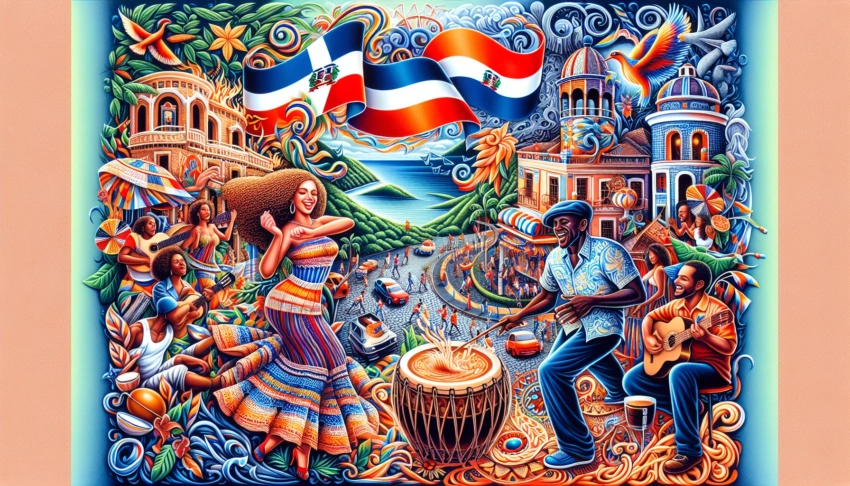
Local Etiquette & Dominican Culture Tips for Villa Guests in Bavaro, Punta Cana
The Dominican Republic, known for its stunning beaches and vibrant culture, offers a unique travel experience enriched by the warm and welcoming nature of its people. Understanding Dominican hospitality can significantly enhance your visit, providing deeper connections and a richer cultural experience.
1. The Importance of Greetings
Greetings in the Dominican Republic are more than just a polite formality; they are an expression of respect and friendliness. In a culture where relationships and social interactions are highly valued, the way you greet someone can set the tone for the rest of your interaction.
Greetings are typically warm and include a smile, and often a handshake or a kiss on the cheek, especially among friends and family. When entering a room, it’s customary to greet everyone individually. This practice symbolizes acknowledgment and acceptance, which is deeply rooted in the local culture.
To make a positive impression, consider using simple Spanish greetings like “Hola” (Hello) or “Buenos días” (Good morning). Even a small effort to speak the local language is appreciated and can help break the ice.
2. Dominican Generosity and Kindness
Dominicans are renowned for their generosity and kindness, often going out of their way to make visitors feel at home. This cultural trait is not only a matter of personal pride but also a reflection of the community-oriented mentality prevalent across the island.
Understanding and reciprocating this generosity can create a more meaningful travel experience. Offering small tokens of appreciation, like sharing a meal or bringing a gift from your home country, can go a long way in building genuine relationships.
When invited to a local’s home, it’s common to bring a small gift, such as a bottle of wine or a dessert, as a token of gratitude. This gesture is not only appreciated but also signifies your respect and acknowledgment of their hospitality.
3. Socializing and Making Friends
Socializing is a cherished aspect of Dominican life, and making friends can significantly enhance your stay. Dominicans are generally approachable and eager to share their culture with visitors. Engaging with locals can lead to unique experiences, from learning about the best hidden spots to understanding local traditions.
To make the most of your social interactions, participate in local events and community activities. Whether it’s a casual beach gathering, a vibrant festival, or a neighborhood event, these occasions provide excellent opportunities to meet people and forge lasting friendships.
Remember, the key to forming genuine connections is to be open and respectful of cultural differences. Show genuine interest in their way of life, and you’ll find that Dominicans are more than willing to welcome you into their community.
Dining Etiquette and Traditional Cuisine
The Dominican Republic offers a vibrant culinary landscape that reflects the country’s rich cultural heritage. As you explore the local dining scene in Bavaro, Punta Cana, understanding the dining etiquette and traditional dishes can greatly enhance your experience.
1. Traditional Dominican Meals
The Dominican Republic is renowned for its flavorful and diverse cuisine, which is a delightful blend of Spanish, African, and Taíno influences. A typical Dominican meal is hearty and satisfying, often featuring staples such as rice, beans, and meat.
- La Bandera Dominicana: Known as the national dish, it comprises white rice, red beans, and stewed meat, usually chicken or beef, often accompanied by a side salad.
- Sancocho: This is a rich stew made with a variety of meats, root vegetables, and plantains, perfect for family gatherings or special occasions.
- Mangu: Traditionally served for breakfast, mangu is made from mashed plantains and is typically accompanied by eggs, cheese, and salami.
When dining with locals, expect a leisurely experience where meals are a time for socialization and relaxation. It’s common to see families and friends spending extended periods enjoying their food and each other’s company.
2. Dining Do’s and Don’ts
Navigating the dining scene in the Dominican Republic requires some understanding of local customs. Here are some etiquette tips to keep in mind:
- Do greet everyone at the table before sitting down. It’s a sign of respect and appreciation for the company.
- Do compliment the chef. A simple “¡Delicioso!” (Delicious!) can go a long way in showing appreciation for the meal.
- Don’t rush your meal. Dining is a social affair, and it’s polite to savor the experience and engage in conversation.
- Don’t refuse food without explanation. If you’re offered something you can’t eat, politely decline and offer a brief explanation.
Understanding these customs will not only make you a more considerate guest but will also enrich your cultural experience in the Dominican Republic.
3. Understanding Meal Times
In the Dominican Republic, meal times may differ from what you are accustomed to in the US. Being aware of these differences can help you plan your dining experiences accordingly:
Comparison of Meal Times between the US and Dominican Republic
| Meal | US Timing | Dominican Republic Timing |
|---|---|---|
| Breakfast | 7:00 AM – 9:00 AM | 7:30 AM – 9:30 AM |
| Lunch | 12:00 PM – 1:30 PM | 1:00 PM – 3:00 PM |
| Dinner | 6:00 PM – 8:00 PM | 8:00 PM – 10:00 PM |
Lunch is the main meal of the day in the Dominican Republic and is often followed by a “siesta,” or afternoon nap. Dinner is typically lighter and served later in the evening. Embracing these meal times can lead to a more authentic and enjoyable experience.
By familiarizing yourself with Dominican dining etiquette and traditional cuisine, you can make the most of your culinary adventures in Punta Cana. Whether you’re savoring a traditional meal or navigating dining customs, these insights will enrich your travel experience and connect you more deeply with the local culture.
Dress Code and Attire Advice
When visiting a tropical paradise like Bavaro, Punta Cana, understanding the local dress code is essential for blending in seamlessly with the culture and ensuring a comfortable stay. Whether you’re lounging by the beach or exploring the vibrant city life, knowing what to wear can enhance your experience.
1. Beachwear vs. City Wear
Bavaro is known for its stunning beaches, and beachwear is the obvious choice for enjoying the sun and sand. However, the dress code transforms as you move away from the coast.
When at the beach, swimwear is perfectly acceptable, and you’ll find that most people opt for comfortable, lightweight clothing. Consider wearing a sarong or beach cover-up when walking to nearby restaurants or shops. Remember, while beachwear is suitable for the coast, it is not appropriate for the city.
In urban areas of Punta Cana, such as shopping districts or restaurants, locals typically wear more conservative clothing. Men often wear shorts or lightweight trousers paired with a collared shirt or a neat t-shirt. Women might choose sundresses, skirts, or shorts with a stylish top. Avoid overly revealing clothing in the city to respect local customs and feel more at ease during your outings.
2. Respectful Attire for Cultural Sites

Villa Waterfall, Punta Cana, Cocotal – Available for booking
Visiting religious or cultural landmarks requires a bit more consideration in terms of attire. These sites are not only places of interest but are often sacred to the locals.
When planning a visit to cultural sites, such as churches or historical museums, opt for modest clothing. Men should wear trousers or longer shorts paired with a shirt that covers the shoulders. Women should consider wearing skirts or dresses that reach the knee or longer, and tops that cover the shoulders. Carrying a scarf or shawl can be useful for additional coverage when required.
Demonstrating respect through your attire at these sites not only honors local traditions but also enriches your experience by allowing you to engage more deeply with the cultural significance of the location.
3. Nightlife and Party Clothing Tips
Punta Cana’s nightlife is vibrant and dynamic, offering everything from laid-back beach bars to high-energy nightclubs. Your choice of attire should reflect the venue and the type of evening you have planned.
For a night out, smart casual is often the best approach. Men might choose tailored shorts or trousers with a dress shirt or a smart polo. Women can opt for fashionable dresses, skirts, or stylish blouses paired with elegant sandals or heels.
It’s worth noting that some upscale venues have a specific dress code, so checking in advance can save you from any inconvenience at the door. As a general rule, avoid overly casual attire such as flip-flops, beachwear, or gym clothes for evening outings.
By aligning your attire with local customs and the setting, you’ll not only feel more comfortable but also show respect for the cultural norms of Bavaro, Punta Cana, enhancing your overall experience in this tropical haven.
Navigating Language and Communication
Immersing yourself in the Dominican culture is best achieved through effective communication. Even if you’re not fluent in Spanish, there are several strategies that can enhance your interactions with locals, ensuring a more enriching and authentic experience.
1. Basic Spanish Phrases for Travelers
Learning a few key Spanish phrases can significantly enhance your ability to communicate with locals, making your stay in Punta Cana more enjoyable and culturally immersive.
While English is understood in tourist-heavy areas, speaking even a little Spanish can go a long way in building rapport with locals. Common phrases include “Hola” (Hello), “Gracias” (Thank you), “Por favor” (Please), and “¿Cuánto cuesta?” (How much does it cost?). These basic words and sentences not only help in daily interactions but also demonstrate your respect for the local culture.
For those wanting to dive deeper into the language, consider learning phrases specific to hospitality and dining, such as “¿Puede recomendarme un plato típico?” (Can you recommend a typical dish?). This approach not only aids in communication but is also a delightful way to engage with the culinary culture of the Dominican Republic.
2. Non-Verbal Communication Cues
In the Dominican Republic, non-verbal communication is as significant as spoken words. Understanding these cues can be invaluable in conveying respect and friendliness.
Gestures such as a friendly wave, a nod, or a smile are universally understood and appreciated. Dominicans are known for their warmth and expressiveness, often using hand gestures to emphasize points during conversations. It’s important to be aware of these gestures to avoid misunderstandings. For instance, a raised eyebrow might indicate curiosity or surprise rather than doubt.
Additionally, maintaining eye contact is a sign of sincerity and engagement, especially during personal interactions. However, avoid overly intense eye contact, which might be perceived as aggressive. By observing and mirroring these subtle cues, you’ll find communication becomes more natural and engaging.
3. Using Translation Apps Effectively

Villa Waterfall, Punta Cana, Cocotal – Available for booking
In today’s digital age, translation apps serve as indispensable tools for travelers navigating language barriers, offering a convenient bridge to understanding and connection.
Apps like Google Translate and iTranslate are incredibly useful for on-the-go translations. They offer text and voice translation, which is particularly handy in situations where verbal communication is challenging. However, it’s essential to use these apps effectively to avoid miscommunications. Always double-check translations for accuracy, especially for complex sentences.
Moreover, leveraging the offline capabilities of these apps can be a lifesaver when you’re in areas with limited internet connectivity. Pre-download the Spanish language pack to ensure seamless communication wherever your adventures take you in Punta Cana. While apps are helpful tools, remember that they are not infallible; combining them with basic Spanish phrases and non-verbal cues is the best strategy for effective communication.
Respecting Local Traditions and Festivals
Understanding and engaging with local traditions and festivals in the Dominican Republic can transform your journey into a more enriching experience. Whether you’re a first-time visitor or a seasoned traveler, these insights can help you navigate local celebrations with respect and enthusiasm.
1. Major Dominican Festivals
The Dominican Republic is home to an array of vibrant festivals that encapsulate the essence of its rich cultural heritage. Among the most prominent is Carnival, celebrated throughout February, culminating in grand parades on Independence Day, February 27th. Carnival is a riot of colors, music, and dance, offering visitors a glimpse into the country’s African, Taino, and Spanish influences.
Another significant festival is Merengue Festival, held in July in Santo Domingo and late October in Puerto Plata. It’s a celebration of the country’s national dance and music, featuring live concerts, dance competitions, and food stalls. For those visiting in December, the Christmas and New Year’s celebrations are not to be missed, as they reflect the island’s unique blend of religious and secular traditions.
2. Participating in Local Celebrations
Joining in on local festivities can be a delightful way to engage with Dominican culture. To participate respectfully, consider these tips:
- Observe before participating: Take some time to watch how locals engage with the festival. This will give you an idea of what is appropriate behavior.
- Dress appropriately: Depending on the festival, attire can vary. For Carnival, colorful and comfortable clothing is recommended, but always ensure it aligns with local customs.
- Engage with locals: Don’t hesitate to ask questions or express your interest in learning more about the traditions. Most Dominicans are happy to share their culture with visitors.
For a truly immersive experience, consider volunteering for festival preparations or joining community events. It’s a great way to make connections and gain deeper insights into the traditions being celebrated.

Villa Waterfall, Punta Cana, Cocotal – Available for booking
3. Cultural Sensitivity Tips
Respecting local customs and traditions is paramount when visiting any foreign country. Here are some cultural sensitivity tips to keep in mind:
- Be mindful of religious customs: Dominican culture is deeply influenced by Catholicism. When visiting churches or attending religious festivities, dress modestly and behave respectfully.
- Understand social norms: In Dominican society, personal space can be more intimate compared to Western cultures. Friendly gestures, like hugging or cheek-kissing, are common when greeting friends and family.
- Respect local sentiments: When discussing sensitive topics such as politics or history, be aware of differing viewpoints and show respect for local opinions.
By approaching local traditions and festivals with an open mind and respectful demeanor, you’ll not only enhance your travel experience but also create meaningful connections with the people of the Dominican Republic.
Tipping and Service Culture
When visiting the Dominican Republic, understanding the nuances of tipping and service culture can enrich your experience and ensure that you respect local customs. Tipping is more than a financial transaction; it is a way to express appreciation and gratitude for the services provided.
1. Standard Tipping Practices
Tipping in the Dominican Republic is customary and appreciated, but the expectations may differ from those in the United States and Canada. In restaurants, a 10% service charge is often included in the bill, but it’s still customary to leave an additional tip for exceptional service. Typically, leaving an extra 10% is considered generous and welcomed.
Typical Tipping Rates in the Dominican Republic
| Service | Standard Tip | Additional Information |
|---|---|---|
| Restaurants | 10% (if not included) | Consider adding another 10% for excellent service. |
| Hotels | $1-$2 per bag | Bellboys and housekeeping staff appreciate small tips. |
| Taxis | Round up the fare | While not mandatory, it’s appreciated. |
| Tour Guides | 10%-15% of the tour cost | Especially for personalized and attentive service. |
2. Service Etiquette in Restaurants and Hotels
In restaurants, service is usually attentive, and staff are friendly. Acknowledging their efforts with a sincere “gracias” and a smile can go a long way. When staying at luxury accommodations like Villa Waterfall, the service staff often go above and beyond to ensure a memorable stay. Tipping hotel staff, such as housekeepers and bellboys, is a common practice that reflects your appreciation for their hard work.

Villa Waterfall, Punta Cana, Cocotal – Available for booking
3. When Tipping Goes Beyond Money
In some cases, showing gratitude can extend beyond monetary tips. Offering small gifts, such as chocolates, souvenirs, or even a handwritten note, can be a heartfelt way to express thanks. Building genuine rapport with service staff and recognizing their contributions with personal gestures often leaves a lasting impression.
Engaging with the local service culture not only enhances your travel experience but also fosters positive relationships with the people you encounter. This mutual respect can lead to more personalized and enjoyable interactions, making your stay in Punta Cana truly unforgettable.
Frequently Asked Questions
What should I wear when visiting local areas in Bavaro, Punta Cana?
When visiting local areas in Bavaro, Punta Cana, it is advisable to dress modestly, especially if you’re planning to visit churches or rural communities. Lightweight clothing that covers shoulders and knees is recommended. Beachwear is suitable at resorts and beaches but not in towns or restaurants.
Is it customary to tip in Punta Cana?
Yes, tipping is customary in Punta Cana. It is common to tip around 10% in restaurants if the service charge is not included. For hotel staff, a few dollars for services like luggage assistance or housekeeping is appreciated.
How can I greet locals respectfully?
A simple handshake is a common and respectful way to greet locals in the Dominican Republic. For closer acquaintances, a hug or a kiss on the cheek might be appropriate. Using basic Spanish greetings like “Hola” (Hello) or “Buenos días” (Good morning) is appreciated.
Are there any cultural taboos I should be aware of?
Avoid discussing sensitive topics such as politics or religion unless you are familiar with the person and the context. Additionally, pointing at people or calling someone over by waving your fingers is considered rude. Instead, gesture with your whole hand.
What is considered polite behavior when dining with locals?
If invited to dine with locals, it is polite to arrive on time and bring a small gift, such as wine or dessert. Wait for the host to start the meal and avoid discussing controversial topics during dinner. Complimenting the food is also appreciated.
How important is punctuality in Dominican culture?
Punctuality is more relaxed in the Dominican Republic compared to the US. Being slightly late (up to 30 minutes) is generally acceptable for social gatherings. However, for business meetings, it is better to be punctual.
Can I drink tap water in Bavaro, Punta Cana?
It is recommended to drink bottled water instead of tap water in Bavaro, Punta Cana, as tap water may not be safe for consumption. Ensure that you use bottled water for drinking, brushing teeth, and making ice.
Is it safe to explore local areas on my own?
While many areas in Bavaro are safe for tourists, it is advisable to remain cautious, especially after dark. Stick to well-populated areas, avoid displaying valuables, and consider taking guided tours for a more secure experience.
Always stay informed about local safety guidelines and consider consulting with your accommodation for the latest advice.
What language is primarily spoken, and should I learn some basic phrases?
Spanish is the official language in the Dominican Republic. While many locals in tourist areas speak English, learning some basic Spanish phrases can enhance your experience and show respect for the local culture. Simple phrases like “Gracias” (Thank you) and “Por favor” (Please) are useful.
Updated on: . Author: